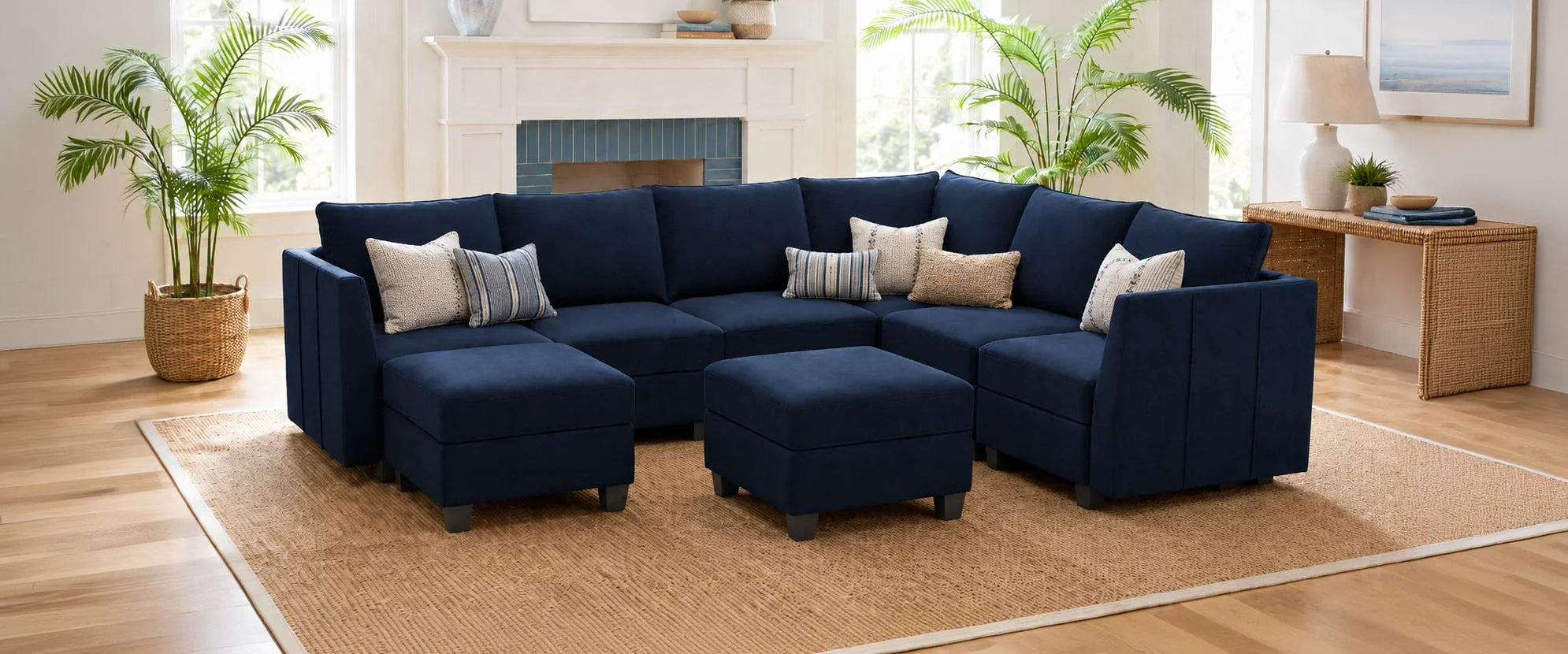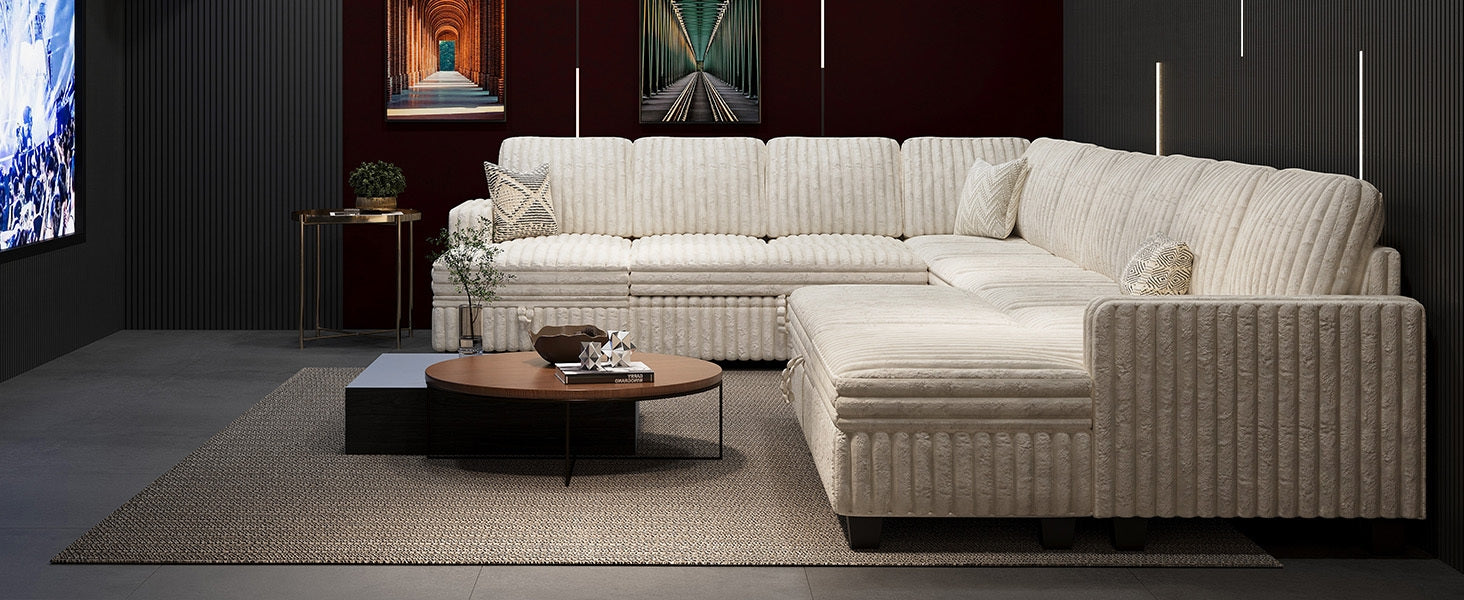
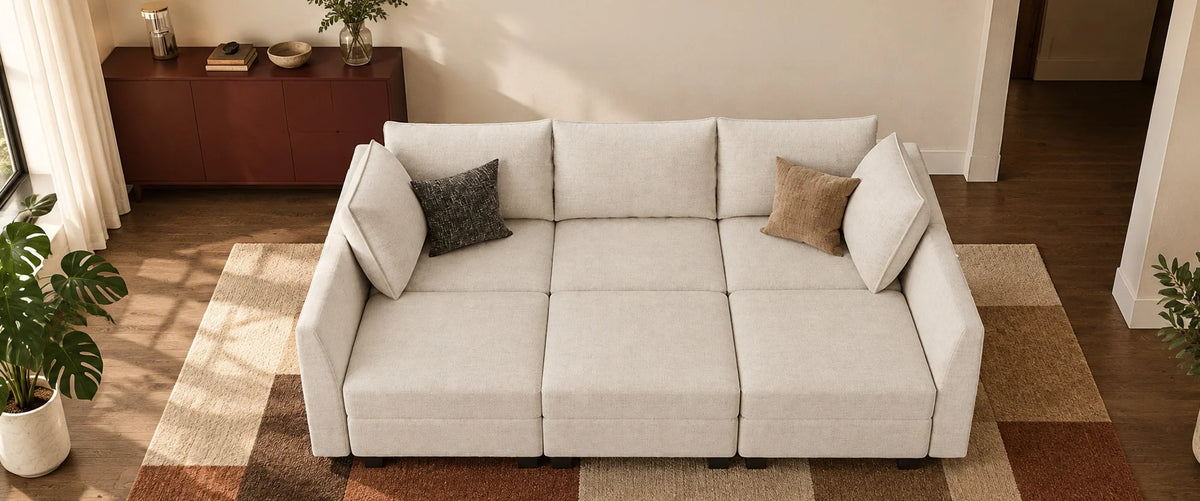
Let’s be honest: most sleeper sofas are a nightmarish combination of a rock-hard mattress and a metal bar right in the middle of your back. We’ve all been there—waking up on vacation or at a friend’s house feeling like we just wrestled a bear. But learning how to make a sleeper sofa more comfortable shouldn't mean sacrificing a good night’s sleep or buying a brand-new couch. Whether you're prepping for weekend guests or trying to make a pull-out couch comfortable for everyday sleeping, here are 5 simple, expert-approved upgrades to turn any fold-out into a cozy bed.
If you’re wondering how to make a sofa bed comfortable on a budget, you don’t need a complete furniture overhaul or a degree in interior design to fix a bad fold-out. The secret lies in layer-by-layer optimization—addressing frame support, mattress density, and breathing room. Below, we’ve broken down 5 actionable, field-tested fixes that range from quick $20 bedding tweaks to game-changing modular sleeper sofa mattress topper upgrades. Here is how to turn that awkward fold-out frame into a high-grade guest room sleep haven.
Invest in a 2- to 3-Inch Memory Foam Topper
If you only make one budget-friendly sleeper sofa upgrade, make it this one. Most pull-out mattresses are notoriously thin—usually just 3 to 4 inches of low-density foam. That means when a full-grown adult lies down, they sink right through to the steel frame beneath.
Adding a 2-inch or 3-inch high-density memory foam topper (or a gel-infused mattress topper for hot sleepers) creates a crucial buffer layer that redistributes weight and eliminates those painful pressure points.
A few rules of thumb before you buy:
Thickness matters: Stick to 2 to 3 inches. Anything thinner than 2 inches won't mask the underlying metal bar; anything thicker than 3 inches will make the bed feel unstable and overly plush.
Density over softness: Look for a memory foam topper for modular sleeper sofa setups with a density rating of 3 to 4 lbs/cu. ft. to ensure real support rather than just mushiness.
Don't force-fold it: Do not try to fold the modular sofa bed back up with the topper inside. Doing so can bend the internal frame mechanism or tear the foam. Simply roll it up, secure it with two cinch straps, and slide it into a closet or under the couch when not in use.

Upgrade Your Bedding
Standard fitted sheets are designed for 10-to-14-inch deep home mattresses. Put them on a thin 4-inch sleeper sofa mattress, and they’ll bunch up, slide off, and end up in a tangled mess by midnight.
To create a crisp, hotel-like feel, skip the cheap polyester and focus on these practical bedding swaps:
Get the right sheet fit: Look for short-pocket queen fitted sheets (designed for 6–8 inch depths) or use bed sheet straps/sheet suspenders (elastic clips that clamp under the mattress) to keep everything pulled tight overnight.
Prioritize breathable fabrics: Sleeper sofa vinyl or high-density foam tends to trap body heat. Stick to 100% percale cotton or bamboo rayon sheets. Their crisp, moisture-wicking weave prevents that sticky, overheated feeling.
Ditch flat decorative pillows: Guests need actual neck support to offset a subpar mattress. Provide at least two medium-firm contour pillows (or shredded memory foam pillows) so sleepers can adjust the loft whether they sleep on their side or back.

Adjust Support Based on Sleeping Position
A major flaw of fold-out mattresses is their uneven surface—they tend to sag in the middle where the frame hinges. Because of this, a one-size-fits-all setup won't work. How you arrange your body support needs to match how your guest actually sleeps.
For Side Sleepers (The hardest hit on modular sofa beds): Side sleeping requires deep shoulder and hip sink to keep the spine straight. Since thin sofa mattresses offer zero pressure relief, side sleepers often wake up with numb arms. The Fix: Place a small, contoured body pillow between the knees, and place a folded bath towel directly under the torso area to elevate the sagging center.
For Back Sleepers: Back sleepers usually feel that stiff sofa bed metal bar hurts their back and shoulder blades. The Fix: Slide a slim lumbar support pillow (or a rolled-up fleece blanket) right under the lower back to preserve the spine’s natural curve and offset the mattress sag.
For Stomach Sleepers: Sleeping on your stomach on a soft or sagging folding bed (or sofa bed) causes your hips to sink, which places significant strain on your neck and lower back. To remedy this, place a flat pillow under your abdomen and hip area to support your pelvis and keep it in the proper position.

Choose the Right Modular Sofa Bed Type for How You’ll Actually Use It
Not all sofa beds are engineered the same, and buying the wrong mechanism for your studio apartment or guest room space is a recipe for daily frustration. If you're in the market for a new comfortable sectional sleeper sofa—or replacing an uncomfortable pull-out—match the mechanism to your lifestyle:
Traditional Metal Pull-Outs (Best for occasional guests): These feature a hidden folded mattress that pulls out from inside the frame. The Catch: They are notorious for that dreaded metal bar across your lower back. If you buy one, insist on a deck-style canvas support base rather than woven metal springs.
Futons & Click-Clack Sofas (Best for tight budgets & small spaces): The seating cushion doubles as the sleeping surface. There are no heavy internal mechanisms or metal bars, making them easier to move. The Catch: The foam cushions tend to break down fast if used daily. Look for models with high-density foam (at least 1.8 lbs/cu. ft.) or built-in pocket coils.
Pull-Out Drawer / Trundle Sofas (Best for daily or heavy use): These pull out from underneath like a drawer and pop up to match the height of the couch cushions. Because the foundation is a solid flat board rather than a suspended canvas frame, they offer far better back support and won't sag over time.

Reinforce the Base to Fix a Sagging Sleeper Sofa
Even the thickest modular sleeper sofa mattress topper won't save your sleep if the internal frame is sagging like a hammock or squeaking every time you turn over. Before you call it a night, spend five minutes tackling the foundation to prevent sleeper sofa back pain:
Fix the middle sag with a bunkie board: If you want to know how to fix a sagging sleeper sofa, traditional pull-out canvas bases stretch out over time, causing your hips to sink. Slide a 1/4-inch plywood board or a folding bunkie board for sofa bed frames directly underneath the thin mattress. This creates a flat, solid platform that instantly eliminates torso dip and blocks the metal bars.
Silence the squeaks with WD-40 or felt tape: Metal-on-metal friction is the main culprit behind middle-of-the-night creaks. Spray silicone lubricant (or WD-40 Specialist) on all moving joints and hinges. For wooden pull-out slats, stick self-adhesive felt pads where the slats touch the frame to completely deaden frame noise.
Level out the head-to-toe incline: Many fold-out mechanisms tilt slightly downwards near the head or feet. Place a folded blanket or rubber furniture risers under the fold-out legs to ensure the sleeping surface is 100% level with the floor.
FAQs
Can you fold up a sleeper sofa with a mattress topper still on it?
No, you should never fold a modular sofa bed with the topper inside. Doing so forces thick foam into the tight internal hinges, which can bend the metal frame, ruin the folding mechanism, or tear the foam itself. Instead, roll up your memory foam topper, secure it with two cinch straps or storage belts, and tuck it into a closet or under the couch when not in use.
What size bedding fits a sleeper sofa mattress?
Most sectional sleeper sofa mattresses run 4 to 6 inches thick—much shallower than standard 10-to-14-inch home mattresses. Standard queen fitted sheets will feel loose and slip off overnight. For the best fit, look for short pocket queen fitted sheets (designed for 6–8 inch depths) or use elastic bed sheet straps clamped underneath the mattress to lock standard bedding in place.
Why does my back hurt after sleeping on a sofa bed, and how can I fix it instantly?
Sleeper sofa back pain on a pull-out couch is usually caused by two factors: body weight sinking into a sagging canvas center, or the metal crossbar pressing into your spine. To fix it instantly without buying a new sofa, slide a 1/2-inch plywood board or a folding bunkie board directly underneath the thin mattress. This creates a rigid platform that prevents sagging and blocks the metal frame.
Is it better to buy a memory foam topper or just replace the sleeper sofa mattress?
If the sofa's metal or wooden frame is still sturdy, adding a 2- to 3-inch high-density memory foam topper for sectional sleeper sofa frames (around $60–$120) is far more cost-effective than replacing the entire mattress. Replacement sleeper mattresses can be pricey and often still lack adequate support due to depth limits. However, if the underlying frame is warped, squeaking loudly, or sagging beyond repair, replacing the sleeper unit or upgrading to the most comfortable modular sofa bed for your space is the better long-term choice.