Picture this: You’re standing in your living room with a tape measure in hand, staring at that awkward empty corner. You want something comfy enough for Sunday afternoon naps, stylish enough to impress visitors, and practical enough to actually fit through the doorway.
Should you go big with a spacious sofa, keep it cozy with a loveseat, or treat yourself to the ultimate relaxation of a power recliner?
How to choose living room seating isn’t just about buying furniture—it’s about deciding sofa vs. loveseat vs. recliner based on how you actually live in your home. If you’re feeling torn between comfort, furniture scale for small living rooms, and style, you’re in the right place. Let’s break down which seat actually deserves a spot in your home.
First, Consider Your Space
Before falling in love with a velvet couch or a power recliner chair, the very first step is to get real about your living room's dimensions. A piece of furniture can look stunning in a showroom or online, but if it blocks walkways or overwhelms the room, it won't feel comfortable for long.
Here’s how to evaluate your layout and avoid common spatial mistakes:
Measure the Room (and Pathways): Beyond standard wall-to-wall measurements, leave at least 30 to 36 inches of walking clearance around walkways so your space doesn't feel cramped.
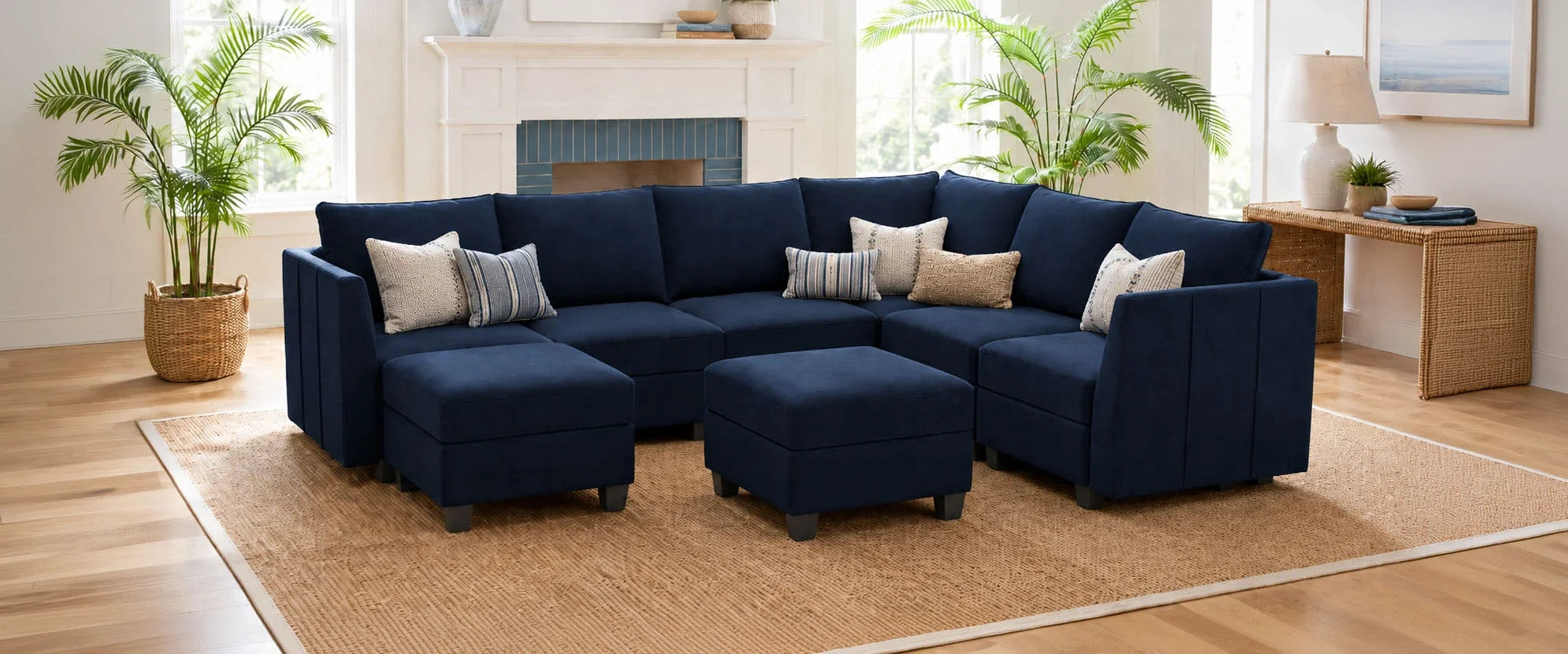
Factor in Clearance for Recliners: How much clearance is needed for a recliner? Traditional recliners typically require 4 to 6 inches of rear clearance from the wall and up to 3 feet of front clearance for the footrest. If you have a small or uniquely shaped living room, choosing a versatile modular sofa lets you add or remove seat modules to exact room dimensions without blocking walkways.
Don't Forget the Doorways: Always check how to measure a sofa for doorways, hallways, and stairwells before ordering. Nothing is more frustrating than buying a gorgeous piece only to realize it can't make it past the front door!

Consider Your Seating Needs
Are you searching for the best seating for family movie nights, or is this your private sanctuary for reading and relaxing after work?
The Sofa (The Social Hub): If you frequently host guests or have a family of three or more, a full-size sofa—or an adaptable modular sectional sofa—is non-negotiable. It provides the seating options for open floor plans and large social gatherings.
The Loveseat (The Versatile Partner): Perfect for couples, reading nooks, or sofas or loveseats for small living rooms. Understanding the loveseat vs. sofa size difference helps here: a loveseat comfortably seats two, making it an excellent space-saver that doesn’t sacrifice intimacy. It’s also a great secondary piece to pair with a primary sofa.
The Recliner (The Personal Oasis): If your priority is ultimate individual relaxation, is a recliner better than a sofa? For solo lounging, absolutely. It’s built for one person to fully decompress. If your family is always fighting over the best seat in the house, adding a dedicated recliner might just save your movie nights!

Comfort vs. Flexibility: What Matters Most?
When choosing between a sofa, loveseat, and recliner, you’ll often find yourself at a crossroads: do you prioritize individual personalized relaxation, or versatile seating that adapts to different occasions?
Here is how each option balances comfort and flexibility:
| Feature | Sofa | Loveseat | Recliner |
| Comfort Level | High (Great for lying down & lounging) | Moderate (Cozy for two, good support) | Exceptional (Ergonomic, footrest, recline angles) |
| Flexibility & Layout | Versatile for social gatherings & families | Easy to move & fits tight spaces | Best for dedicated relaxation zones |
| Best For | Entertaining, family movie nights, naps | Small apartments, nooks, pairing pieces | Personal downtime, gaming, reading |
Choose Comfort if...
You view your living room as a personal sanctuary. If end-of-day back support, power-reclining footrests, or adjustable lumbar features are non-negotiable for your routine, a recliner wins hands down. If you suffer from discomfort after long sitting periods, comparing a sofa or recliner sofa for lower back pain often points to the targeted ergonomic support of a reclining chair.
Choose Flexibility if...
Your living space serves multiple roles—a home office by day, a social hub by weekend. A sofa or loveseat gives you room to rearrange, host multiple guests, and change up your seating layout over time without being locked into a single fixed footprint.
Can't Decide? Get the Best of Both Worlds
If you don't want to compromise, consider a reconfigured modular couch. Modern modular seating gives you the customized leg support and relaxation of a recliner while maintaining the multi-person capacity and flexible layout of a full modular sofa.
Hybrid Setups: The Best of All Worlds
Who says you have to pick just one? In modern interior design, mixing different seating types is often the smartest strategy to achieve maximum comfort, optimal layout balance, and high functionality.
Depending on your room size and lifestyle, here are three popular hybrid setups:
The Classic Family Hub (Sofa + Recliner Set)
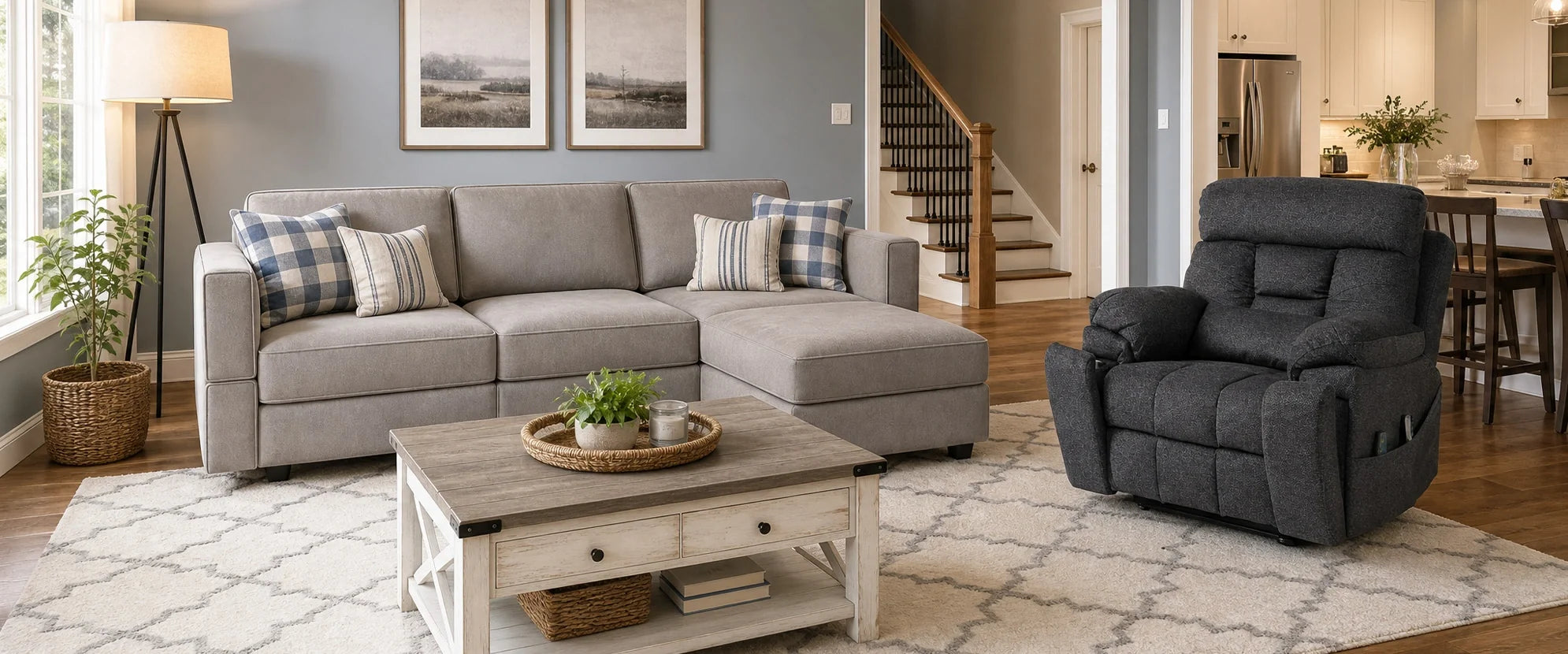
Place a 3-seat sofa along the main wall for family lounging, and pair it with a single power recliner chair in the corner. This setup creates a dedicated relaxation spot for one while keeping plenty of open seating for hosting guests.

The Small-Space Power Duo (Apartment Size Loveseat + Accent Recliner)
For apartments or compact living rooms, a heavy sofa might overcrowd the space. Pairing an apartment size loveseat with a sleek, low-profile wall-hugger recliner offers two distinct seating zones without sacrificing floor space.

The Ultimate Flexible Setup (Modular Sectional Sofa)
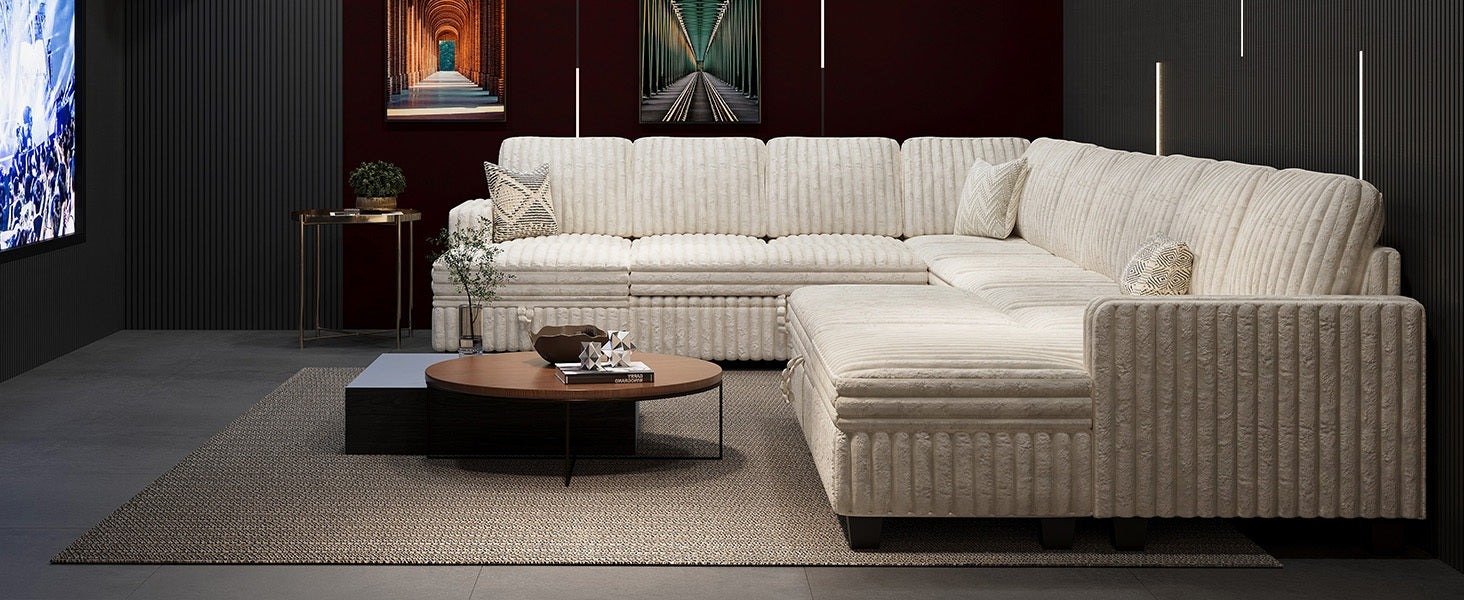
If you want the spatial versatility of a sofa combined with the footrest luxury of a recliner, a modular sectional sofa is your best friend. You can rearrange individual modules, add an ottoman for reclining, or expand the layout whenever your needs change.

Final Thoughts: Ready to Find Your Perfect Seat?
At the end of the day, there’s no single “right” answer—only what works best for your daily routine, room size, and personal comfort.
Choose a Sofa if you love hosting, need versatile seating for 3 or more, or want a spacious hub for family movie nights.
Choose a Loveseat if you’re working with an apartment-size loveseat footprint or want to pair it with other statement pieces.
Choose a Recliner if top-tier ergonomic support and personalized relaxation are your top priorities.
Choose a Modular Setup if you want a reconfiguring modular sectional couch that adapts to any layout without permanent compromises.
Transform Your Living Room Today
Don't let decision fatigue delay your ideal living space. Explore our collection of premium sofas, loveseats, power recliners, and modular sectionals to find the exact match for your home.
FAQ
How much space do I need behind a recliner versus a standard sofa?
Standard sofas sit flush against the wall or require just 1 to 2 inches of breathing room. In contrast, traditional recliners need 4 to 6 inches of rear clearance from the wall to extend fully, plus at least 3 feet of front space for the footrest. If you have a tight living room layout, look for a wall-hugger recliner for small spaces or a modular sofa, both of which maximize comfort without sacrificing precious walkway space.
Is it better to buy a sofa and recliner together or a single modular sectional?
It depends on your space and lifestyle:
A sofa and recliner set combo is ideal if you value flexibility—it allows you to easily rearrange furniture, move pieces between rooms, and define multiple seating zones.
A modular sectional sofa is better for smaller spaces or open floor plans where you want a seamless, unified look with built-in lounging features (like chaise modules or reclining seats) while maximizing seating capacity.
Is a recliner or a sofa better for lower back pain?
When comparing a sofa or recliner for lower back pain, a high-quality recliner is generally better because it elevates your feet and redistributes body weight, taking direct pressure off your spine and lower back. However, if you prefer a traditional look, a sofa with high-density foam and firm ergonomic support can also prevent slouching during long seating periods.
What is the main difference between a loveseat and a sofa, and when should I choose a loveseat?
The primary loveseat vs sofa size difference comes down to width and capacity: a standard sofa typically seats 3 or more adults (70–90+ inches wide), while a loveseat is built specifically for two (50–65 inches wide). Choose an apartment-size loveseat if your living room is under 10x12 feet, if you live in a space with narrow doorways, or if you need a secondary accent piece to pair with a primary sofa.