Best Seller
Optional storage beds maximize small spaces
Bed Frame Guide
The 2026 Interior Design Trend: The Resurgence of Corduroy Couches
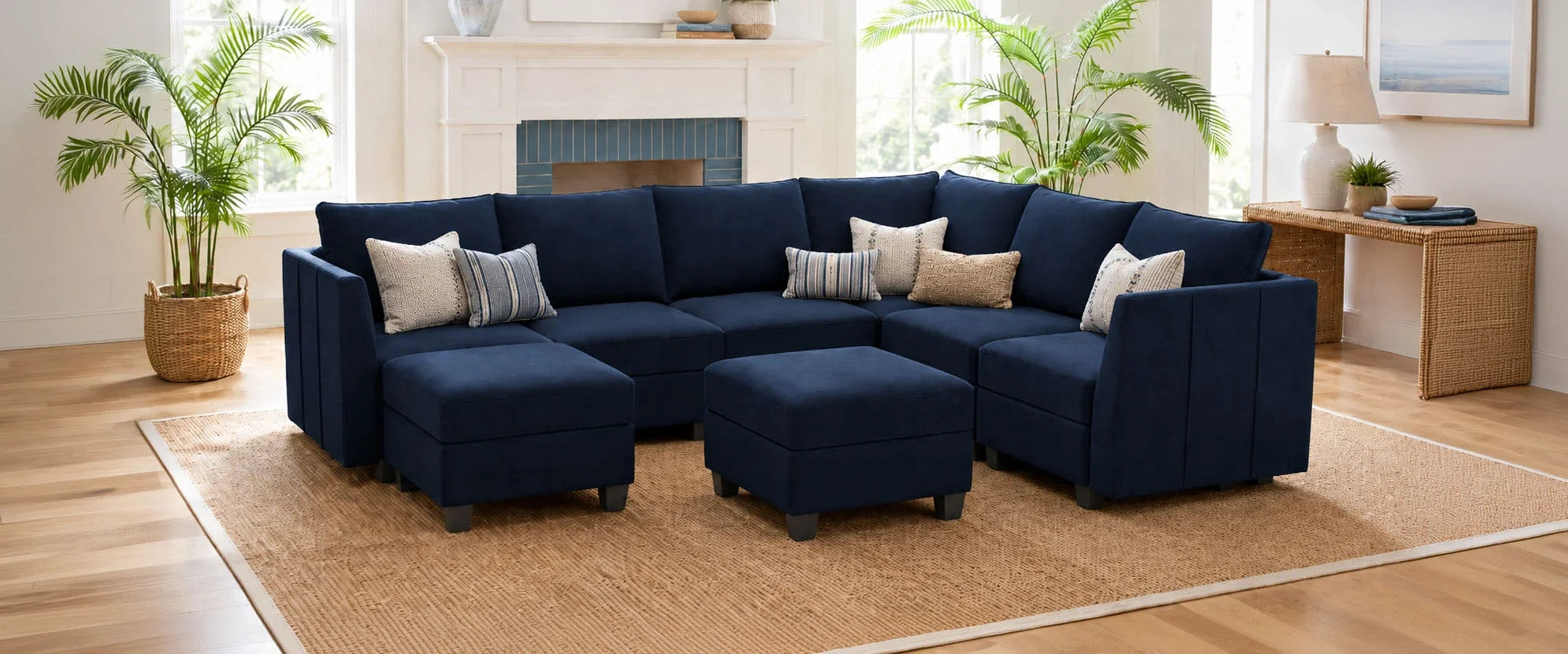
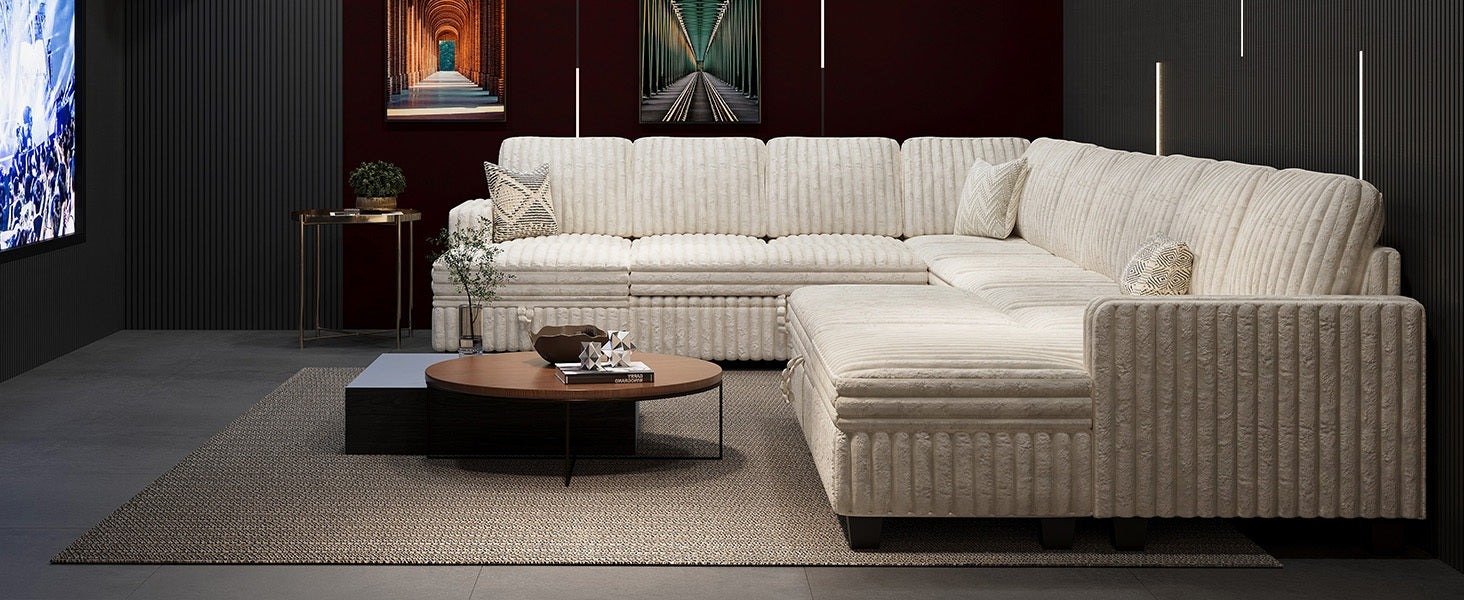
After years dominated by fast-paced minimalism, 2026 interior design trends are casting a fond retrospective glance at an era brimming with texture and warmth. While past designs prioritized visual minimalism, this year, our pursuit shifts toward an ultimate warmth that appeals directly to the senses. Amidst this wave of retro resurgence, the corduroy couch makes a formal return to the visual center of the living room—assuming a stance that feels simultaneously familiar and avant-garde. Corduroy offers a touch that is soft and comfortable, paired with an aesthetic that is warm and nostalgic. Once pigeonholed as merely a "retro" fabric, it now perfectly aligns with the prevailing trend of "sensory minimalism," thanks to its signature ribbed texture and velvety-soft touch. It is more than just a piece of furniture; it represents a lifestyle philosophy that rejects cold detachment in favor of sensory healing. Its comeback reflects a deep-seated human yearning for furnishings that exude warmth and comfort. Corduroy’s return in 2026 is not merely a simple cyclical revival of retro styles, but rather the result of the joint evolution of modern home aesthetics and functional requirements. This fabric—often labeled as vintage—is now reasserting its dominance in the "modern retro" living room, appearing in forms that are both more sophisticated and more eco-conscious. If you are curious as to why corduroy has surged back into popularity in 2026, read on to discover more about its benefits, styling concepts, and care tips. What is a Corduroy Modular Couch? The corduroy modular sofa is a standout star in the world of interior design for 2026. It seamlessly blends the vintage texture of corduroy fabric with the modern design philosophy of modular furniture.Simply put, it moves away from the concept of bulky, monolithic furniture; instead, it consists of multiple independent seating units—such as single seats, corner sections, and ottomans. Much like building with blocks, you can freely disassemble and reconfigure the sofa's layout to suit the size of your living room or your specific social needs. Why Will Corduroy Couches Make a Comeback in 2026? From "Warm Minimalism" to "Comfortism" Over the past few years, sleek, stark minimalism has left home spaces feeling somewhat detached. The aesthetic trends of 2026 lean instead toward a warm, inviting simplicity. The distinctive ribbed texture of corduroy creates a sense of visual depth through the interplay of light and shadow; combined with its velvety touch, it infuses the home with much-needed warmth. The Essential Need for Multifunctional Spaces In the context of modern lifestyles, the living room serves simultaneously as a home office and a media room. Corduroy sectional sofas offer exceptional versatility—during the day, they can be separated to form independent reading nooks, while at night, they can be reconfigured into a spacious home theater setup. This concept of flexible living has become a mainstream standard in 2026. Durability and Eco-Consciousness Compared to delicate silks or lamb's wool fabrics prone to pilling, modern high-quality corduroy is far more abrasion-resistant and easy to maintain. In an era where sustainable consumption is paramount, this high-performance, durable fabric has once again won the favor of young consumers. A Modern Interpretation of Nostalgia The retro aesthetic of the 1970s has undergone a "less-is-more" reinvention in 2026. While retaining the vintage charm of corduroy, the heavy, drab brown tones have been discarded in favor of fresh color palettes—such as moss green, midnight blue, and creamy white—making it appear remarkably stylish within a modern home setting. The Fashion Factor: The Timeless Appeal of Corduroy Corduroy fabric possesses a classic, enduring charm. It is widely regarded as a "timeless classic"—a material that never truly goes out of style. 1. Unique Vertical Ribs and Light-and-Shadow Effects The most iconic feature of a corduroy sofa is the raised, ribbed texture on its surface.Visual Elongation: In furniture design, these vertical lines create a slimming effect—much like a striped shirt—making even a bulky sofa appear more streamlined and three-dimensional.Luminous Depth: Depending on the angle of light refraction, corduroy produces subtle, nuanced shifts between light and shadow. This visual depth—far beyond that of a single solid color—infuses a space with a sense of fluid atmosphere that smooth fabrics simply cannot replicate. 2. Tactile-Driven "Emotional Design" In our fast-paced digital age, people's expectations for their homes have shifted from merely being "aesthetically pleasing" to being "healing."A Sense of Envelopment: Corduroy’s soft, thick pile offers an exceptionally skin-friendly touch, providing a psychological sense of security—the comforting feeling of being gently wrapped up.Inherent Warmth: Unlike the cool detachment of genuine leather or the dry crispness of linen, corduroy radiates a dual warmth—both physical and psychological. This quality aligns perfectly with current design trends such as the "Cream Aesthetic" and "Warm Minimalism." 3. Adaptability Across Eras The magic of corduroy lies in its ability to project vastly different personalities depending on its color palette:Retro Vibes: When rendered in caramel, olive green, or rust red, it instantly transports you back to the bohemian romance of the 1970s.Modern Flair: When presented in shades like cream-grey, slate blue, or basalt, and paired with the clean, geometric lines of modular furniture design, it exudes a sophisticated, high-end minimalist aesthetic. 4. Durability and "Aging with Grace" Corduroy fabric originally emerged as a hard-wearing material for workwear; this inherent durability has since carried over into home furnishings.Wrinkle-Resistant and Durable: Its dense weave structure makes it significantly more resistant to wear and tear than ordinary cotton fabrics, while also ensuring it remains relatively free of unsightly creases. Traces of Time: As the years go by, the slight nap-flattening or gentle wear on the surface of corduroy actually enhances its vintage charm—imparting a lived-in quality, much like a vintage jacket that fits better the more you wear it. The Benefits of Choosing a Corduroy Sectional Sofa 1. Ultimate Sensory Comfort Unlike smooth leather or coarse linen, the distinctive ribbed texture of a corduroy sectional sofa offers exceptional skin-friendliness.Warm Touch: Its plush pile traps air, providing a warm-to-the-touch sensation that is perfect for creating a truly "cozy sanctuary."Visual Depth: Under varying lighting conditions, this fabric creates a captivating interplay of light and shadow, giving a large-scale sectional sofa a sense of visual layering rather than appearing bulky. 2. Unparalleled Layout Flexibility The "modular" design concept opens up infinite possibilities for your living room, perfectly adapting to the ever-changing needs of modern living:Customizable Configuration: Whether you desire an L-shape, an extra-long linear arrangement, or a face-to-face conversational layout, you can freely disassemble and reassemble the units just like building blocks.Moving-Friendly: The independent modular units are incredibly easy to transport; you won't have to worry about the constraints of narrow elevators or long, narrow hallways—making it the ideal choice for renters or families planning to move in the future. 3. Outstanding Durability and Practicality The mainstream corduroy fabrics of 2026 represent a qualitative leap forward in manufacturing craftsmanship:Wear-Resistant & Robust: Compared to fleece fabrics that are prone to pilling, high-density, heavy-weight corduroy is far more durable—making it an excellent choice for households with pets (cat claws are less likely to snag on its short pile).Easy to Maintain: Many sectional sofas feature fully removable fabric covers; corduroy is typically machine-washable and resistant to wrinkling, making it incredibly low-maintenance. 4. Timeless Aesthetic Appeal Corduroy naturally possesses a "vintage filter," yet its crisp, linear ribbing simultaneously exudes a distinctly modern geometric sensibility:Stylistic Versatility: It effortlessly integrates into a variety of interior design styles—from Mid-Century Modern and Warm Minimalism to even Industrial aesthetics.Emotional Expression: It embodies a "slow living" philosophy; in the high-tech world of 2026, this material allows your home to truly return to its essence as a haven for relaxation and rejuvenation. How to Choose the Right Corduroy Sofa for Your Living Room Selecting a corduroy sofa isn't merely about choosing a piece of furniture; it’s about setting a tone for your living room that offers a "dual sense of tactile and visual comfort." This fabric blends the substantial, vintage feel of the past with the stylish tension of modern design—the key is finding the specific model that best suits your unique space. 1. Determine the Cord Width and Style The width of the corduroy ribs directly dictates the sofa's visual weight and stylistic leaning:Wide Ribs: Possess a strong visual presence and exude a rich, 1970s-era vintage vibe. Ideal for large living rooms or situations where you want the sofa to serve as the absolute focal point of the space. They appear fluffier and softer, offering a sense of cozy, enveloping comfort.Fine Ribs: Feature a more delicate and refined texture; from a distance, they resemble solid-colored fabric, revealing their intricate details only upon closer inspection. This style aligns better with modern minimalist or Nordic aesthetics and is perfect for smaller living spaces, ensuring the room doesn't feel overly cluttered or cramped. 2. Color Coordination with Your Space Corduroy possesses a unique "nap-reversing" characteristic—meaning the depth of the color appears different depending on whether you stroke the fabric with or against the grain—and its sheen can vary depending on the lighting conditions of the room:Warm Vintage Tones: Caramel, Forest Green, Rust Red. These colors maximize corduroy's vintage charm and pair beautifully with wooden furniture and warm-hued lighting to create a cozy, evocative home environment.Cool Modern Tones: Creamy Gray, Ice Blue, Basalt Black. These colors help mitigate corduroy's inherent "visual heaviness"; when paired with hard materials like marble or metal, they project a cool, sophisticated, and modern industrial aesthetic. 3. Functionality and Layout: The Advantages of Modular Design Given that corduroy fabric inherently carries a significant visual weight, opting for a modular design is often the wiser choice:Flexibility: Modular sofas can be freely configured to fit the specific dimensions of your living space (forming L-shapes, straight lines, or dispersed individual units), thereby avoiding the oppressive feeling a single, massive sofa can create in a smaller room.Versatile Scenarios: As your lifestyle needs evolve, a modular sofa can be easily reconfigured to accommodate various activities—whether you're watching a movie, hosting a gathering, or occasionally need it to serve as a temporary sleeper sofa. Easy Maintenance: If a module accidentally gets soiled, the modular structure typically makes it more convenient to perform spot cleaning or replace the fabric cover individually. How to Clean and Maintain a Corduroy Sectional Sofa? Caring for a corduroy sectional sofa is remarkably simple. Every week, use the soft-bristle attachment of your vacuum cleaner to vacuum along the grain of the corduroy, removing dust, skin flakes, or pet hair trapped within the ridges. This prevents dirt from becoming embedded deep within the fibers under pressure. If liquid spills occur, immediately blot the area dry using a clean white cotton cloth or paper towel; never rub horizontally, as this will push the stain deeper into the base of the pile and damage the fabric's texture. Pet claws or metal hooks can easily snag the yarns of corduroy; should a thread become pulled, trim it flush with scissors immediately—never pull or yank it forcefully. As 2026 interior design trends shift fully toward "Gentle Minimalism" and "Personalized Vintage" aesthetics, the corduroy couch has evolved beyond mere furniture; it has become an emotional bridge connecting the past with the future. From modular designs that offer a soothing tactile experience to classic color palettes that transcend eras, this fabric—with its timeless textured grain and interplay of light and shadow—redefines the warmth and atmosphere of the modern home. If you are seeking a sofa material that embodies both sophisticated minimalism and a sense of domestic bliss, a corduroy couch is undoubtedly the most worthwhile investment of the year. It stands the test of time, offering you a gentle, comforting response with every touch of your fingertips.
Learn moreBest Seat Cushions for Your Couch:The Ultimate Couch Cushion Buying Guide
The true soul of a living room lies not in an expensive feature wall, but in the modular sectional sofa you interact with intimately every single day. While the sofa serves as the living room's protagonist, its cushions are its very soul. If you feel your living room’s style has grown dated or lacks visual depth, there is no need to rush into replacing the entire sofa set; simply swapping out your cushions for a set featuring premium textures and sophisticated colors can often be a more cost-effective—and comfortable—solution. Whether you are looking to revitalize a sagging old sofa or wish to refresh your home’s aesthetic through a splash of color, choosing the right cushions can instantly elevate your quality of life. As we look toward 2026, what cushion textures and color palettes are trending in the world of home decor? How can you cultivate a sense of high-end luxury in your home without breaking the bank? Today, we will break down the ultimate guide to buying sofa cushions—covering everything from foam density to filling materials—to help you rediscover that long-lost, cloud-like sitting experience. Why Seat Cushions Matter When selecting a modular sectional couch, many people are often captivated by its stylish aesthetics or the premium materials used in its frame; however, what truly determines your quality of life—not just for the next five years, but perhaps even the next ten—are those seemingly simple seat cushions. Their importance is paramount because they directly impact the following three core aspects of your experience: They serve as the "last line of defense" for ergonomics: A cushion lacking adequate support is a silent killer of spinal health. When you sink deep into a collapsed cushion, your lumbar spine is forced into an unnatural, over-arched position due to a lack of support. High-quality cushions, conversely, precisely distribute body weight, ensuring that after binge-watching your favorite series or taking an afternoon nap, you are greeted by a sense of relaxation rather than nagging back pain. They determine the living room's "visual longevity": While a sofa frame may be built to bear weight for decades, it is the plumpness and resilience of the cushions that ultimately dictate the sofa's visual appeal. Cheap cushions often develop irreversible depressions after just a year of use, instantly making the entire living room appear shabby and worn-out. Cushions featuring high-resilience cores, however, allow the sofa to consistently maintain a crisp, sophisticated silhouette. They act as regulators of the "microclimate": Cushions are not merely about firmness; they are also about breathability. Premium materials facilitate free air circulation, ensuring that you remain cool and free from clammy discomfort during humid summer months, while avoiding the annoyance of static electricity during the dry winter season. Foam Density: The Key to Comfort & Longevity When shopping for a sofa, you may have heard terms like "high-resilience" or "high-density"—but what do they actually mean? Simply put, density is the most scientific metric for assessing the quality of a seat cushion; it directly determines how long your sofa will "hold up." Low Density (1.5–1.8 lbs): Lifespan: 1–2 years. Feels very soft initially, but quickly compresses, resulting in visible indentations that cannot be restored.Medium Density (2.0–2.2 lbs): Lifespan: 3–5 years. Offers a good balance of comfort and support; suitable for guest rooms with occasional use or for apartments where value for money is a priority.High Density (2.5 lbs+): Lifespan: 8–10 years+. Provides exceptional support and features superior "memory" capabilities, allowing it to retain its shape and contours—even in households with active, jumping children. At Belffin, all of our modular sofas feature high-density foam cushions, designed to provide you with the ultimate in comfort and outstanding durability. Popular Cushion Types The market offers a wide variety of cushion types for modular sofas; there is no single best option—only the one that suits you best. Based on their internal construction, we have analyzed the four most mainstream types of sofa cushions: Pure Foam Cushions This is the most common type. Its structure typically consists of a layer of firm foam encased within a layer of soft foam.Pros: Features clean lines and maintains the sofa's neat, crisp silhouette. It requires no frequent fluffing or maintenance, as it automatically rebounds to its original shape once you stand up.Ideal For: Those who prefer a minimalist aesthetic, households with children (as they are highly durable), or busy individuals who dislike spending time on furniture maintenance. Down/Feather Cushions A standard feature in high-end sofas. Typically, a fabric bag filled with down or feathers is wrapped around an inner foam core.Pros: Provides a luxurious, "sink-in" sensation of being enveloped; offers excellent breathability and a premium, soft-touch feel.Note: Much like pillows, these cushions require regular fluffing; otherwise, they will appear flat and deflated.Ideal For: Home decor enthusiasts who value a sense of "ritual" in their daily lives, those who enjoy curling up on the sofa to read, or those seeking an American vintage aesthetic. Pocket Spring Cushions The structure is similar to that of a pocket spring mattress, with individual springs encased within layers of foam.Pros: Offers excellent support and prevents localized sagging or indentations caused by prolonged sitting. It provides a responsive "push-back" sensation that makes standing up effortless.Ideal For: Individuals with sensitive lower backs, those with larger body frames, or users who want their sofa's seating comfort and resilience to remain consistent for years to come. Memory Foam/Latex Composite Cushions Thanks to advancements in sleep technology, these materials have now made their way into the living room.Pros: Memory foam contours to your body's curves in response to body heat, offering significant pressure relief; latex provides superior dust mite resistance and a distinctively bouncy, resilient feel.Ideal For: Those with extremely high standards regarding health and eco-friendliness, or "heavy sofa users"—individuals who frequently work or play video games on their sofa for extended periods. Cushion Wrapping: What’s Inside Matters Most seat cushions undergo a wrapping process designed to enhance both comfort and aesthetics: 1. The Core Support Layer This constitutes the innermost layer of the cushion, typically composed of high-density, high-resilience foam or individually pocketed springs.Its Function: Acting as the "skeleton" of the entire cushion, this layer ensures that you do not directly feel the wooden frame beneath you when seated. It bears 80% of your body weight and determines the sofa's long-term resilience and bounce-back capability. 2. The Comfort Cushioning Layer Encasing the core layer is typically a softer material—either standard foam or memory foam.Its Function: This layer serves to counteract the firmness of the core layer, providing a softer, more refined tactile sensation. It adapts subtly to the contours of your body, offering gentle pressure relief for your hips and legs. 3. The Luxurious Wrapping Layer The outermost layer is typically wrapped in a filling of polyester fiber, synthetic down, or natural down feathers.Its Function: Aesthetic Function: It gives the cushion a plump, rounded appearance, eliminating the stiff, sharp edges often associated with foam cores.Practical Function: It helps secure the cushion's upholstery fabric in place, preventing unsightly wrinkles or slippage during use. The addition of a down layer, in particular, imparts a cloud-like "breathable" sensation. Optimal Cushion Choices for Different Lifestyles Pet-Friendly Households: High-Density Foam + Tech Fabric / High-Performance Upholstery.Given the high activity levels of pets, cushions in these homes require exceptional resilience and rebound properties. We recommend selecting a solid foam core for its superior structural support, while avoiding materials—such as down—that tend to trap odors. Crucially, the outer cover must be paired with "scratch-resistant" tech fabrics featuring water-repellent properties, allowing you to wipe away pet hair and stains with a single effortless swipe. "Binge-Watching Marathoners" (Audiovisual Enthusiasts): Hybrid Memory Foam Core + Pocketed Coil Springs.If you plan to remain seated on the sofa for three hours straight, you require the kind of pressure-relieving support typically found in a mattress. The pocketed coil springs provide consistent upward support, while the memory foam layer contours to your body's curves to minimize pressure points—ensuring you remain fatigue-free, even after watching an entire season of your favorite series. "Small-Space" Multifunctional Workers: High-Firmness Solid Foam.Working for extended periods on an overly soft sofa can lead to posterior pelvic tilt. Opting for a high-density foam cushion with strong edge support and moderate firmness allows you to maintain proper spinal alignment while handling emails or joining virtual meetings, preventing you from sinking too deeply into the seat. Those Seeking Luxurious Indulgence: Down-Blend Wrap Layer.This type of cushion combines the structural support of foam with the cloud-like softness of down. The moment you set aside your phone, settle in with a cup of coffee, and sink into its depths, the gentle release of air from the down filling instantly melts away your body's tension and anxiety. It serves as the quintessential element for creating a "Wabi-Sabi" aesthetic or capturing that effortlessly chic "French-lounge" vibe. Care and Maintenance Tips Make "Flip and Rotate" a Habit: Every 2–3 months, swap the positions of your seat cushions (left-to-right) or flip them over (top-to-bottom).Regular "Fluffing" Revitalizes: Just as you would fluff a pillow, firmly pat the sides and surfaces of the cushions to allow air to circulate back into the interior filling fibers.The "Golden Three Minutes" for Stain Removal: If liquids spill, never rub back and forth; instead, use a clean white cloth or paper towel to gently blot and absorb the liquid. For stubborn stains, use a mild, specialized upholstery cleaner, and always perform a colorfastness test on an inconspicuous area first.Avoid Direct Sunlight and Humidity: Prolonged exposure to strong UV rays not only causes fabric to fade but also accelerates the aging process of the internal foam, making it brittle. Keep your living room well-ventilated; if the environment is excessively humid, the foam may develop unpleasant odors or even mildew spots.Regular Dusting: Once a week, use the low-suction setting on your vacuum cleaner to clean the seams and crevices of your seat cushions. Upgrade Your Sofa Cushions with Belffin If you are seeking that ultimate seating experience—one that feels instantly amazing yet remains comfortable even after hours of sitting—Belffin’s modular sofa series is designed specifically for you. We utilize high-density, high-resilience foam combined with an ergonomic layered design to ensure that every inch of the seating surface offers the cloud-like softness you crave, without compromising on stable, reliable support. Whether you are furnishing a new home with a versatile, all-in-one sofa set or simply looking to breathe new life into your living room by upgrading your cushions, Belffin offers solutions that perfectly blend aesthetic appeal with lasting durability.
Learn moreEverything You Need to Know Before Buying a Bed Frame
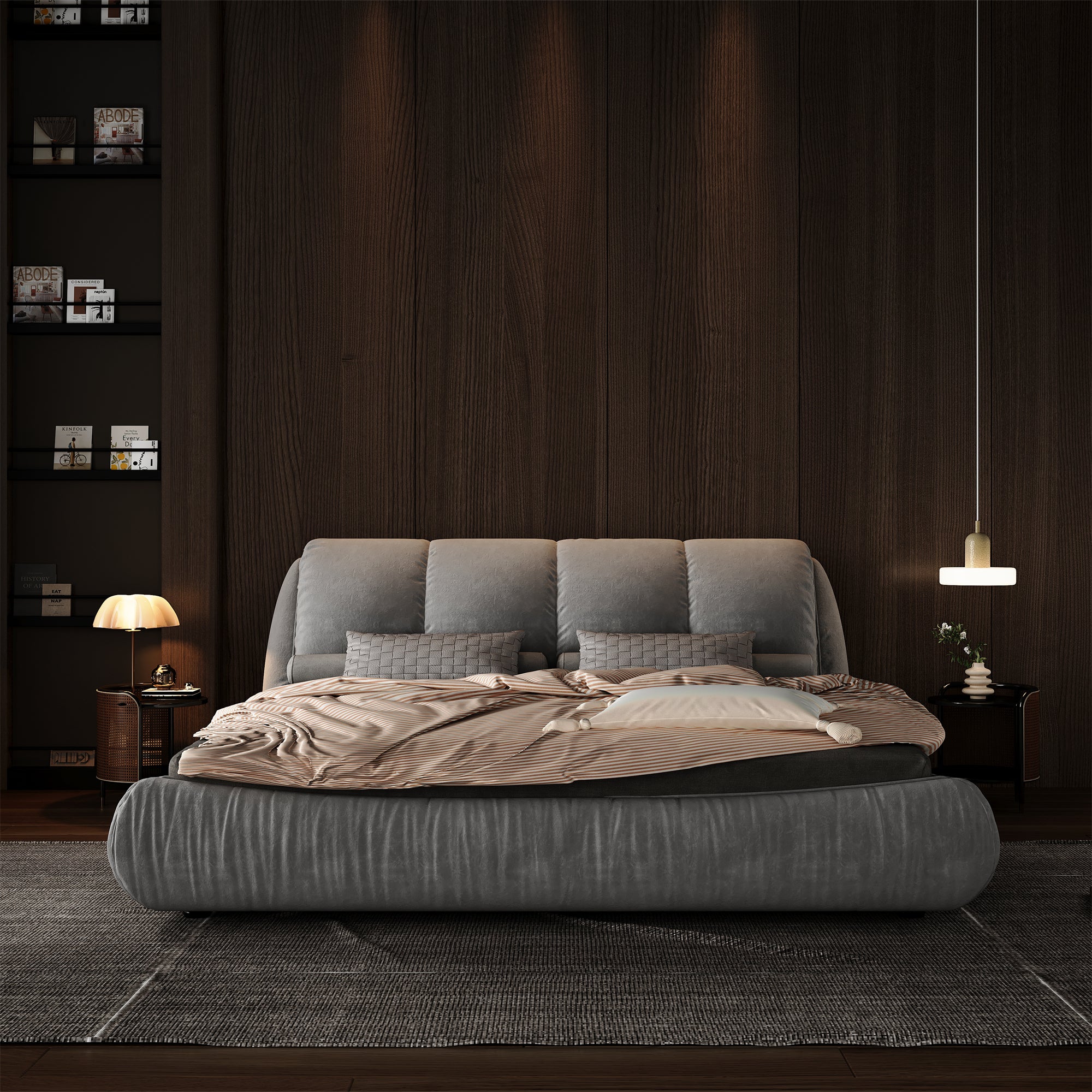
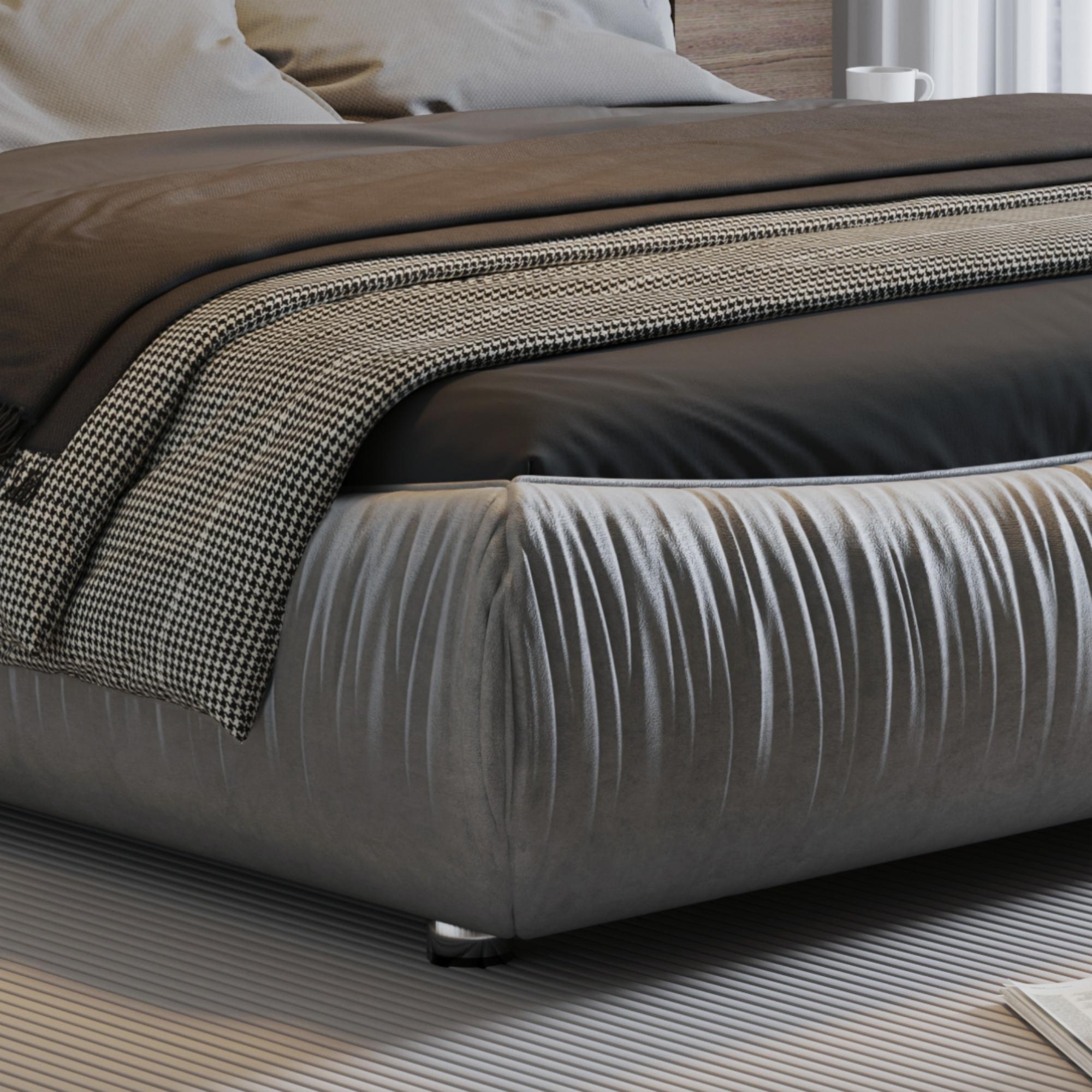
Choosing the perfect bed frame isn't merely about selecting a piece of furniture for your bedroom; it is an investment in one-third of your life—after all, quality sleep often begins with a solid foundation. Whether you have just moved into a new home or are preparing to upgrade your current sleeping space, the dizzying array of materials, styles, and features available on the market can often leave you feeling overwhelmed. Should you opt for a storage-style frame to maximize space efficiency, or pursue the minimalist aesthetic of solid wood? Before making a purchase, it is crucial to understand the various options, dimensions, and functional roles that bed frames play. In this guide, we will take a deep dive into the essential knowledge you need to master before buying a bed frame, helping you avoid common purchasing pitfalls and create the dream bedroom that is both beautiful and practical. Choosing a New Bed Frame: Where to Start Selecting a new bed frame may seem like a simple furniture-buying task, but it actually determines the quality of your sleep for thousands of nights to come. Faced with the dizzying array of materials, styles, and features available on the market, it is completely normal to feel overwhelmed and unsure where to begin. To find the bed frame that is right for you, we recommend starting with the following three core dimensions: 1. Measure Your Space: Define Your "Physical Boundaries." Before setting your sights on any specific style, the first tool you should pick up isn't a catalog—it's a tape measure.Allow for Walkways: You should leave at least 60–90 cm of clearance on both sides of the bed frame to ensure you don't bump your legs when getting up at night or changing the sheets.Consider Furniture Interaction: If your bedroom also contains a wardrobe, ensure that the closet doors won't collide with the corners of the bed frame when opened.Plan the Delivery Route: Don't forget to measure the dimensions of stairwell turns and elevator doors—this is especially critical if you are purchasing a one-piece frame or an oversized headboard. 2. Assess Your Lifestyle: Clarify Your "Core Needs." Different people have vastly different functional requirements for a bed, and these needs should guide your selection process:The Storage Enthusiast: If bedroom space is limited, a bed frame with built-in storage or a drawer-style base is the top choice; these options can magically conjure up the storage capacity of several large closets out of thin air.The Bedtime Reader: If you are in the habit of leaning back in bed to read or use your phone, an upholstered bed frame will offer superior support and comfort compared to frames with solid wood or metal headboards.Pet Owners: Given the potential for scratching and cleaning challenges associated with pets, durable and low-maintenance materials—such as high-performance fabrics or metal frames—will be far less of a hassle than genuine leather. 3. Check for Stability: The Invisible "Skeleton" Matters Most The durability of a bed frame depends largely on the construction of its slat system or base.Slat Spacing: Check the spacing between the wooden slats. It is generally recommended that the gaps do not exceed 7 cm; otherwise, the mattress may sag or deform, thereby shortening its lifespan.Support Legs: Large-sized bed frames (such as King Size) must feature additional support legs in the center to prevent the middle section from collapsing. Noise Test: When making a purchase, try applying slight pressure; a high-quality bed frame should not produce any squeaking or unusual noises. Bed Frame Size Guide: Making the Most of Your Space Many people fall into the trap of thinking "the bigger, the more comfortable" when buying a bed, often overlooking the spatial relationship between the bed frame and the surrounding walls, wardrobes, and nightstands. An ideal bed should not only cradle your dreams but also ensure your bedroom feels spacious and uncluttered. Below is a guide to common bed frame sizes: Twin Size Bed Frame: Approx. 99 x 191 cm. Best suited for children's rooms or extremely small apartments. If intended for use as a guest bed, we recommend choosing a model with a pull-out or extendable feature for greater versatility.Full Size Bed Frame: Approx. 137 x 191 cm. Although often referred to as a "double bed," it may feel slightly cramped for two people; it is, however, an excellent value choice for teenagers' rooms or for individuals seeking the ultimate solo sleeping experience.Queen Size Bed Frame: Approx. 152 x 203 cm. The most popular size globally. It strikes a perfect balance between sleeping comfort and floor footprint, making it suitable for the vast majority of master bedrooms.King Size Bed Frame: Approx. 193 x 203 cm. If you share your bed with a partner, children, or pets that occasionally "squeeze in," this size offers a sense of spaciousness akin to a five-star hotel. However, a key prerequisite is that your bedroom must have a width of at least 3.6 meters. Are Bed Frames Important? A bed frame not only determines the aesthetics of your bedroom, but also your sleep structure and the lifespan of your mattress. Therefore, choosing the right bed frame is crucial. The core functions of a bed frame: Supporting the mattress and preventing sagging: Mattresses need even support. If the spacing between the slats of the bed frame is too large (more than 7-8cm) or if the structure is unstable, the mattress will sag due to uneven pressure, ruining expensive latex or individually pocketed spring mattresses. Extending mattress lifespan: A good bed frame provides necessary ventilation. Mattresses accumulate moisture from the body during use. If placed directly on the floor or on a poorly ventilated bed frame, mold and dust mites can easily grow. Silence and stability: Inferior bed frames often creak when you turn over. This is usually due to loose frame connections or an overly lightweight material, severely affecting deep sleep. Key Considerations When Choosing a Bed Frame Stability: Ideally, look for a frame with a "center support" (i.e., an extra support leg located in the middle of the bed); this prevents the bed slats or beams from bowing in the center.Height: The combined height of the bed frame and mattress is ideally around 50–60 cm. A bed that is too high or too low places undue strain on the knees, a particular concern for the elderly.Eco-friendliness: If you opt for a solid wood or engineered wood frame, pay close attention to its formaldehyde emission rating. Solid wood (such as North American black walnut or oak) is generally more durable and eco-friendly, whereas with engineered wood frames, it is crucial to inspect the quality of the edge-banding craftsmanship. Transform Your Bedroom Today Choosing the ideal bed frame is, at its core, about finding the perfect balance between spatial efficiency, aesthetic style, and the science of sleep. Whether you lean toward a storage bed frame to maximize space or are captivated by the warm texture and minimalist design of an upholstered bed frame, the most critical step is to identify the option that truly complements and supports your lifestyle. Don't let creaking noises or cluttered surroundings disrupt your sweet dreams any longer. Take your measurements, clarify your needs, and find the sturdiest companion for your beloved mattress today. A simple change can ensure that every morning begins with a renewed sense of comfort and tranquility.
Learn more